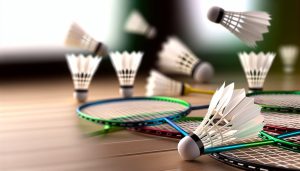
When you step onto the court and notice how your feathered shuttlecock glides through the air, it's clear that the right choice can elevate your game. But did you know the type and speed of your shuttlecock can drastically affect your performance? Understanding these factors can help you play more effectively and enjoyably. Let's explore how different options can suit your playing style and what to take into account before your next match.
Key Takeaways
- Badminton shuttlecocks come in two main types: feathered for precision and control, and synthetic for durability and casual play.
- Feathered shuttlecocks offer superior flight stability but have a shorter lifespan compared to synthetic options.
- Shuttlecock speed ratings range from slow to fast, affecting play style and gameplay dynamics; beginners may prefer slower speeds for easier handling.
- Proper storage and maintenance can extend the lifespan and performance of shuttlecocks, particularly feathered types.
- Experimenting with different shuttlecock types and speeds helps players find the best fit for their playing style and conditions.
The Importance of Shuttlecock Selection in Badminton
When you're gearing up for a game of badminton, choosing the right shuttlecock is essential. The right choice can greatly impact shuttlecock performance and your overall game. Not all shuttlecocks are created equal, and understanding your player preferences can help you find the perfect match.
For instance, some players prefer feather shuttlecocks for their superior flight and speed, while others might lean towards nylon options for durability and cost-effectiveness. Your playing style, whether you're a power hitter or a strategic player, can also influence your decision.
Experimenting with different types of shuttlecocks lets you gauge how each one performs during gameplay. You'll quickly find that certain shuttlecocks enhance your skills and boost your confidence on the court.
Types of Shuttlecocks: An Overview
Although you might be familiar with the basic idea of shuttlecocks, there's a fascinating variety that can enhance your badminton experience.
You'll typically encounter two main types: feathered and synthetic. Feathered shuttlecocks, made from natural materials, offer superior flight stability and a more authentic playing feel. They're preferred in professional matches for their precision.
On the other hand, synthetic shuttlecocks, often made from nylon or plastic, are durable and great for casual play. They don't provide the same flight stability as feathered options, but they can withstand wear and tear, making them ideal for beginners or outdoor games.
When choosing, consider your playing style and environment.


Whether you opt for feathered or synthetic, understanding the different shuttlecock materials will help you elevate your game and enjoy badminton even more.
Feathered Shuttlecocks: Characteristics and Benefits
Feathered shuttlecocks stand out in the badminton world for their unique characteristics and benefits. They're made from real feathers, typically goose or duck, which gives them incredible flight stability and a natural feel. If you're seeking precision and control in your game, feathered shuttlecocks are your best bet!
Here's a performance comparison of different feather types:
| Feather Type | Flight Stability | Durability | Speed |
|---|---|---|---|
| Goose | High | Moderate | Fast |
| Duck | Moderate | High | Moderate |
| Synthetic | Low | High | Variable |
| Hybrid | Moderate | Moderate | Moderate |
Choosing the right type can enhance your gameplay. Feathered shuttlecocks offer superior performance, making them the preferred choice for serious players. So, if you want to elevate your game, give feathered shuttlecocks a try!
Synthetic Shuttlecocks: Durability and Performance
While many players gravitate toward feathered shuttlecocks for their performance, synthetic shuttlecocks offer a compelling alternative, especially when it comes to durability and consistent play. Made from synthetic materials, these shuttlecocks can withstand intense games without losing shape or flight quality. You won't have to worry about them going soft after a few matches!
In a performance comparison, synthetic shuttlecocks provide a reliable option for casual and recreational players. They maintain a steady flight path and are less affected by environmental factors like humidity, making them perfect for outdoor play.
Plus, their durability means you'll save money in the long run, as you won't need to replace them as often.
Understanding Shuttlecock Speeds
When it comes to selecting the right shuttlecock for your game, understanding shuttlecock speeds can make a big difference in your performance.
Different speeds cater to varying playing conditions and can influence your game considerably. You'll want to pay attention to speed variations that result from shuttlecock aerodynamics.
Here are a few key points to take into account:
- Speed Ratings: Shuttlecocks often come with speed ratings ranging from slow to fast, impacting how they behave in the air.
- Playing Conditions: Windy environments or indoor courts may require different speed choices to maintain control.
- Player Level: Beginners might prefer slower shuttlecocks for easier handling, while advanced players often opt for faster speeds for more aggressive play.
How Speed Affects Gameplay and Strategy
Understanding how speed affects your gameplay and strategy can really elevate your badminton experience. When you grasp the dynamics of shuttlecock speed, you can gain tactical advantages. Faster shuttlecocks demand quick reflexes and precise positioning, while slower ones allow for more tactical plays.
Here's a quick breakdown of how speed affects your game:
| Shuttlecock Speed | Gameplay Dynamics |
|---|---|
| Fast | Requires swift movements, quick thinking, and rapid responses. |
| Moderate | Offers balance, allowing for strategic plays and controlled shots. |
| Slow | Encourages longer rallies, focusing on placement and strategy. |
Choosing the Right Shuttlecock for Your Skill Level
When you're picking a shuttlecock, your skill level really matters.
Different speed ratings can either challenge you or help you improve your game, so it's key to find the right match.
Plus, considering the material and construction will guarantee you get the best performance for your style!
Skill Level Considerations
Choosing the right shuttlecock for your skill level can make all the difference in your game.
If you're just starting out, you'll want a shuttlecock that helps you practice your beginner techniques without too much difficulty. As you advance, you can explore options that support your advanced strategies.
Here are some tips to take into account:
- Beginners: Opt for durable nylon shuttlecocks for consistent play.
- Intermediate: Choose feather shuttlecocks for better flight and control.
- Advanced: Experiment with different speeds to fine-tune your performance.
Selecting the right shuttlecock not only enhances your skills but also boosts your confidence on the court.
Shuttlecock Speed Ratings
As you progress in badminton, the speed rating of your shuttlecock becomes increasingly important. Choosing the right speed can drastically impact your shuttlecock performance.
With various speed ratings available, you'll notice speed variations that cater to different playing styles and levels. For beginners, a slower shuttlecock might help you focus on control and technique.
As you improve, you may want to shift to faster options that complement your skill level and power. Testing various speeds allows you to find what feels best for your game, enhancing your overall experience.
Material and Construction Factors
While exploring the right shuttlecock for your skill level, understanding the materials and construction can make a big difference in your game. The type of shuttlecock you choose plays an essential role in performance.
Here are some key factors to take into account:
- Shuttlecock materials: Feather vs. nylon—feather offers better flight, while nylon is more durable.
- Construction techniques: A well-constructed shuttlecock maintains its shape longer, enhancing your play.
- Skill level suitability: Beginners may prefer durable options, while advanced players often choose feather for precision.
Maintenance and Care for Shuttlecocks
Taking care of your shuttlecocks can really extend their life and keep your game sharp!
You'll want to know the best storage techniques, how to clean and dry them properly, and when to replace them.
Let's explore these easy tips so you can enjoy every match without worrying about your equipment!
Proper Storage Techniques
To keep your badminton shuttlecocks in top condition, proper storage is essential. By maintaining the right storage conditions, you can extend their lifespan and performance.
Here are some tips for effective shuttlecock storage:
- Choose a cool, dry place: Avoid areas with high humidity, as moisture can warp the feathers.
- Use a protective case: A sturdy shuttlecock case helps prevent physical damage and keeps them organized.
- Store upright: Position shuttlecocks upright in their case to avoid crushing and maintain their shape.
Cleaning and Drying
Even with proper storage, your badminton shuttlecocks can accumulate dirt and moisture from regular play. To keep them in top shape, adopt some simple cleaning methods. A soft, damp cloth works wonders to wipe off dirt; just be gentle to avoid damaging the feathers.
For deeper cleaning, you can soak the shuttlecocks briefly in soapy water, then rinse and dry them carefully.
Now, let's talk drying techniques. After cleaning, place them in a well-ventilated area to air dry completely. Avoid direct sunlight, as it can warp the feathers. If you're in a hurry, you might use a fan to speed up the drying process.
Taking these steps will help extend the life of your shuttlecocks and keep them performing well!
Lifespan and Replacement
While you may enjoy a good game, understanding the lifespan of your badminton shuttlecocks is essential for maintaining peak performance.
Shuttlecock durability varies, but typically, you should consider replacing them based on your playing style and frequency. Here's what to keep in mind:
- Play Level: Casual players might replace them less often, while competitive players will need replacements more frequently.
- Material: Feather shuttlecocks generally last 2-3 games, while nylon ones can endure longer.
- Signs of Wear: Look for frayed feathers or a warped cork; these are clear indicators it's time for a change.
Conclusion
Choosing the right shuttlecock can truly enhance your game, whether you're a casual player or a serious competitor. You might think it's just a small detail, but the right type and speed can make all the difference on the court. Don't hesitate to experiment with both feathered and synthetic options to find what feels best for you. Remember, it's all about having fun while improving your skills. Happy playing, and may your next match be your best yet!