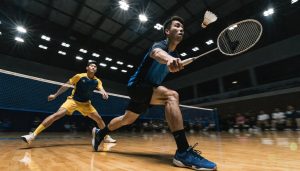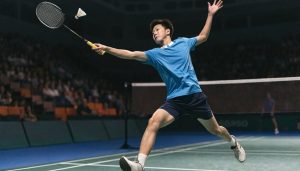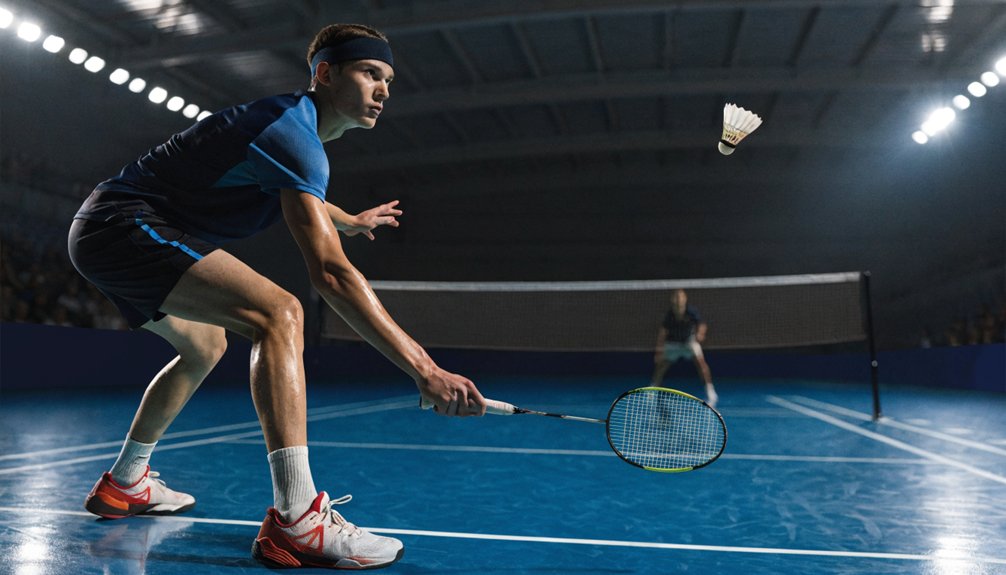
Better badminton court awareness starts when you stop chasing the shuttle and start seeing patterns. You need to know where your base is, recover there fast, and track both the shuttle and the space your opponent leaves open. Small cues like racket angle, shoulder turn, and balance can tell you what’s coming next. If you’re often late or out of position, the issue usually isn’t speed alone.
Key Takeaways
- Return to a balanced base after every shot, adjusting it based on your shot quality and your opponent’s likely reply.
- Track the shuttle’s full flight to move earlier, judge open spaces, and prepare your recovery position.
- Read your opponent’s shoulders, hips, balance, and racket face to anticipate shot direction and pace sooner.
- Use a split step before contact, efficient footwork, and small adjustment steps to reach shots under control.
- Practice drills that train recovery, scanning, and varied shuttle placements while avoiding overcommitting or watching only the shuttle.
What Court Awareness Means in Badminton
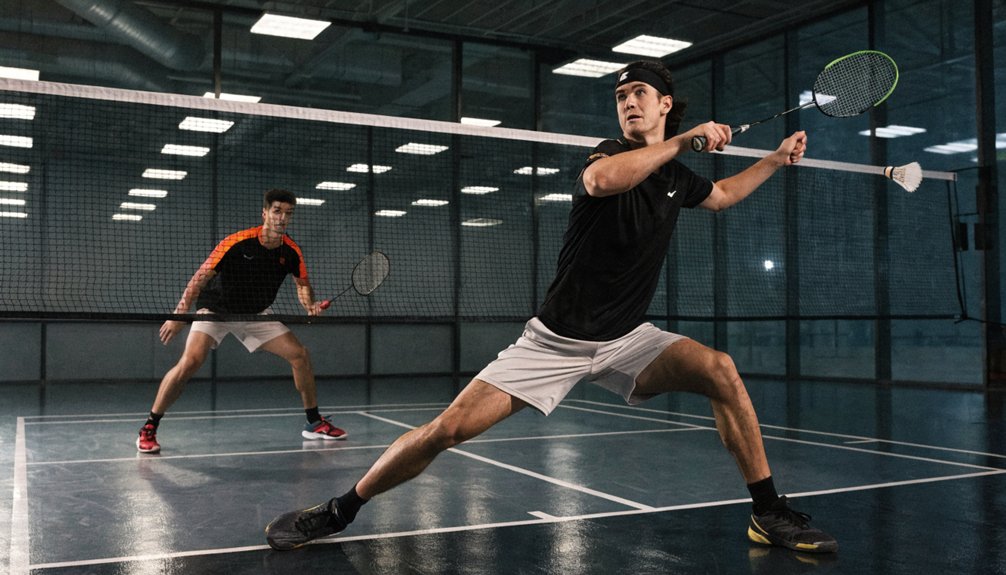
Awareness in badminton is your ability to read the court as it changes from shot to shot. You’re not just watching the shuttle; you’re tracking your opponent’s balance, racket preparation, and likely options. That constant reading shapes your decisions before contact happens.
Strong court awareness combines anticipation, court positioning, and spatial awareness. You notice open lanes, recoveries, and pressure points without hesitating. Instead of reacting late, you recognize patterns early and choose smarter replies. You judge whether the rally is stretching wide, tightening centrally, or shifting forward and back. You also stay aware of your own movement quality, because poor spacing limits your next shot. In matches, mind games can also affect court awareness by disrupting focus and making players slower to recognize patterns. When your awareness improves, you waste fewer steps, cover threats sooner, and make each stroke with clearer tactical purpose under match pressure consistently.
Improve Your Badminton Base Position
Start by treating your base position as the center of your decision-making, not just a spot you return to after each shot. If it’s too deep, you’ll struggle to cover the net; too far forward, and you’ll give away the rear court. Adjust it according to your shot quality and your opponent’s likely reply.
Your foot placement should keep you balanced, light, and ready to push in any direction without resetting first. Stay on the balls of your feet, keep your stance slightly wider than shoulder width, and avoid standing upright after recovering. After every movement, aim to arrive under control rather than rushing back automatically. Footwork drills can sharpen your recovery speed and improve movement speed between shots. A smart base position shortens your first step, saves energy, and helps you respond earlier with fewer wasted corrections during longer rallies under pressure.
Track the Shuttle and the Open Court
The shuttle gives you two clues at once: where the rally is going now and which space will open next. Strong shuttle tracking helps you move sooner, not faster. As you watch its height, speed, and angle, you should also scan the empty court it creates. That link sharpens your court spacing and keeps your recovery purposeful. This habit also matters in match play because better positioning can influence outcomes that affect BWF rankings over the 52-week points cycle.
| If you see | You should do |
|---|---|
| A deep lift | Recover central, expect front space to open |
| A tight net shot | Step in, but note the rear court behind you |
Don’t stare only at contact points. Follow the shuttle through its full path, then match your base to the new geometry. You’ll cover less ground, arrive balanced, and choose smarter replies under pressure during longer, faster rallies too.
Read Your Opponent’s Body and Racket
You can often predict the next shot by watching your opponent’s shoulders and hips before they swing. If their body opens or turns early, it usually signals where they’re trying to send the shuttle. At the same time, check the racket face, because its angle often gives away whether a shot will be straight, cross-court, soft, or driven.


Shoulder And Hip Cues
Because shoulders and hips have to align before the racket can accelerate cleanly, they often reveal the shot a split second before contact. If you train your eyes to catch shoulder rotation and hip alignment early, you’ll read direction sooner and move with less panic. Watch whether your opponent’s chest opens toward the sideline or stays more square to the net.
Notice the sequence, not just the shape. When the front hip clears early and the shoulders unwind, you can expect a stronger, more committed stroke. If the hips stay closed or the torso remains restrained, the shot is often shorter, softer, or more controlled. You shouldn’t stare continuously; take quick visual snapshots during their preparation, then recover your focus to space, shuttle height, and your own base.
Racket Face Signals
While shoulders and hips hint at intent, the racket face often gives away the final option. You should watch its angle just before contact, because tiny changes reveal whether your opponent is preparing a straight drive, crosscourt drop, lift, or deceptive push. Open faces usually suggest softer, upward replies, while closed faces often support flatter, faster attacks.
You also need to connect racket positioning with timing. A late preparation can limit shot selection, forcing safer returns into predictable zones. If the face stays neutral until the last moment, expect deception and recover to a balanced base rather than overcommitting. Train yourself to read the strings, not just the swing. The earlier you recognize racket face signals, the faster you can adjust spacing, protect open court, and intercept the next shuttle cleanly.
Use Footwork to Cover the Court Better
Sharpen your footwork first, and the court starts to feel smaller and more manageable. When you move with purpose, you read space earlier and make smarter court positioning choices. Efficient movement patterns let you arrive balanced, so you can see angles, track your opponent, and close gaps before they become problems.
- Use a split step before your opponent strikes, so your first move is immediate and controlled.
- Push off your outside leg to reach wide shots, keeping your chest square enough to monitor the shuttle.
- Adjust with small steps near contact, because precise spacing improves shot selection and prevents rushed swings.
As you practice, notice which directions slow you down. Those patterns reveal where awareness breaks down and where your footwork must become cleaner and sharper under pressure. Using a racket with head light balance can also support quicker reactions around the court by improving speed and maneuverability.
Recover Quickly After Every Shot
After every shot, you need to return to base quickly so you can cover the next angle without hesitation. As you recover, reset your stance with balanced feet and a ready posture, because a loose position costs you time. From there, anticipate the reply by reading your opponent’s body and racket so you’re prepared before the shuttle comes back. During recovery, quick grip changes also help you respond faster to different shots and angles.
Return To Base
Because every shot changes the geometry of the rally, returning to base should become your default habit rather than a late correction. After you hit, don’t admire the shuttle. Recover with purpose so you can cover the most likely replies. This is where strategic positioning turns movement into anticipation, not panic.
- Push off immediately after contact and track the opponent’s options.
- Return to a central, useful spot based on your shot’s quality and placement.
- Make dynamic adjustments if your opponent is late, balanced, or taking the shuttle early.
Your base isn’t a fixed mark; it shifts with the rally’s pressure. When your clear is deep, you can recover slightly forward. When your drop sits up, recover faster and expect pressure. Consistent return habits keep you available for the next decision and prevent costly scrambling.
Reset Your Stance
Reset your stance the moment you land from each shot, so you’re balanced before your opponent’s reply is fully underway. That recovery window is where court awareness sharpens. You can’t read space well if your feet are crossed, your weight is drifting, or your racket side is late. Small stance adjustments keep your center stable and your movement options open.
After contacting the shuttle, let your first task be reestablishing a neutral, athletic base. Keep your knees flexed, heels light, and chest upright so you can move cleanly in any direction. Your split step should feel controlled, not rushed. Notice whether your previous shot pulled you too far sideways or forward, then correct immediately. Consistent recovery gives you ideal positioning and prevents wasted steps, reaching, and off-balance reactions under pressure.
Anticipate The Reply
Quick recovery does more than get you back into position—it gives you time to read your opponent’s next option. After every shot, return to balance with your racket up and eyes forward. That brief reset sharpens shot prediction because you’re not scrambling late.
Watch for patterns in opponent behavior:
- Notice racket preparation; early shoulder turns often reveal clears, drops, or smashes.
- Track body weight and foot placement; they hint at crosscourt replies or straight returns.
- Read contact height; low contact usually limits attack and creates safer, defensive shots.
When you recover quickly, you can split-step as they strike, then move decisively instead of reacting blindly. You’re not just covering space—you’re buying information. Over time, that habit improves anticipation, steadies your movement, and gives you cleaner first steps.
Practice Drills That Build Court Awareness
Sharpen your court awareness with drills that force you to read space, track your opponent, and recover with purpose. Use drill variations that change shuttle placement, pace, and timing so you learn to scan before moving. Add partner exercises where one player points or feints, and you react while maintaining balance and central positioning. Using a forehand grip can reduce wrist and arm strain during fast-reaction awareness drills.
| Drill | Focus | Cue |
|---|---|---|
| Shadow corners | Recovery | Return to base |
| Two-shuttle feed | Scanning | Check opponent |
| Feint-response rally | Reading | Move late, stay ready |
Keep each rally short and specific. You should notice where your eyes go after every shot, how quickly you reset, and whether you’re covering the highest-percentage reply. Rotate patterns often, but keep the objective narrow: see earlier, move cleaner, and own more of the court during exchanges.
Common Court Awareness Mistakes to Fix
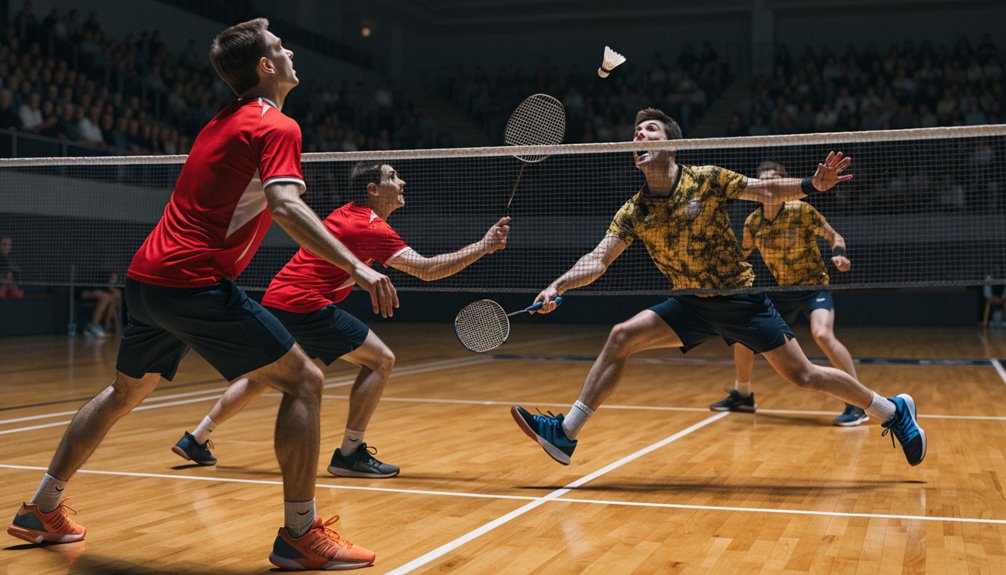
Drills help you build awareness, but matches expose the habits that quietly break it down. You often lose points not from weak strokes, but from small lapses in reading space, timing recovery, and anticipating patterns. Fixing them starts with noticing what repeatedly pulls you out of control during rallies.
- Overcommitting forward: If you rush the net too early, your court positioning opens the rear court. Recover with balanced steps, not hope.
- Watching the shuttle only: If you ignore your opponent’s body shape, you’ll react late. Read shoulders, racket angle, and preparation cues.
- Forcing low-percentage attacks: Poor shot selection turns pressure into errors. Choose shots that match your balance, opponent’s position, and rally tempo.
Because badminton is one of the core disciplines in racket sports, strong court awareness depends on reading space and movement as much as clean technique.
When you correct these habits, your movement becomes calmer, smarter, and far more efficient under pressure.
Frequently Asked Questions
How Long Does It Take to Noticeably Improve Court Awareness?
You’ll usually notice improved court awareness within 3–6 weeks if you practice consistently. Focus on reading visual cues, tracking opponents’ patterns, and sharpening situational awareness through deliberate drills, match review, and attentive, strategic play.
Can Doubles Strategies Improve Court Awareness in Singles Matches?
Yes, doubles strategies can improve your singles court awareness by sharpening your reading of doubles formations and strategic positioning. You’ll anticipate angles faster, recover smarter, and notice opponents’ patterns earlier, though you must adapt spacing.
Does Playing Surface Affect Badminton Court Awareness Development?
Obviously, every court feels identical—until it doesn’t. Yes, surface material affects your awareness development by changing movement, player positioning, and shot selection. You should study court dimensions too, because each surface subtly reshapes timing.
Are There Mental Exercises to Improve Awareness off the Court?
Yes—you can sharpen awareness off the court through visualization techniques and mindfulness practices. You’ll improve by mentally rehearsing rallies, tracking imagined player positions, practicing focused breathing, and reviewing match patterns so you anticipate space and movement better.
How Does Fatigue Impact Badminton Court Awareness During Matches?
Yes—fatigue effects are real: when you’re tired, your awareness decline shows up as slower reading of shots, poorer spacing, and late decisions. You’ll need shorter rallies mentally—reset between points, simplify choices, and guard focus.