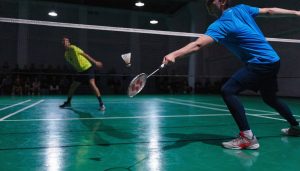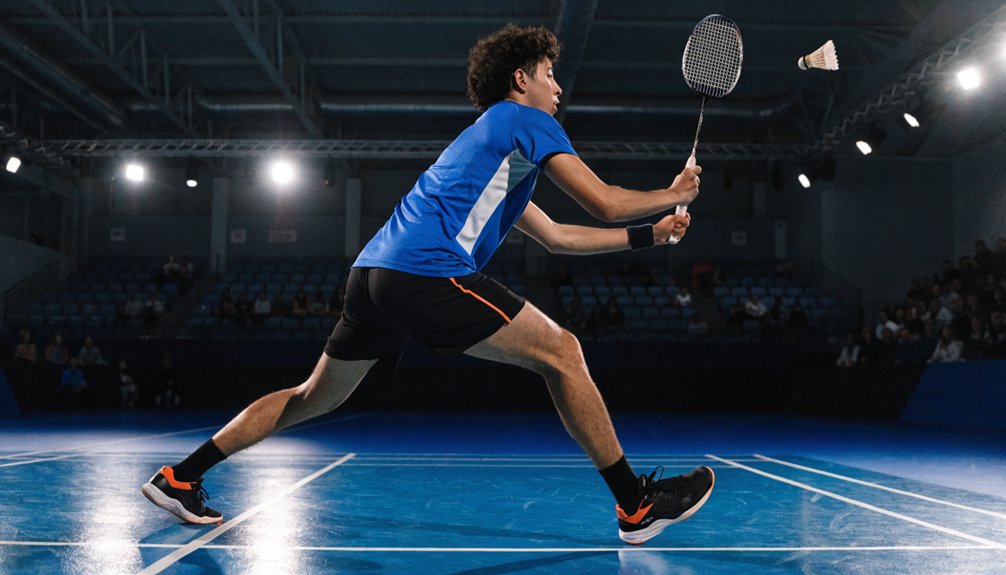
Most players don’t realize that court speed depends more on timing and recovery than raw leg speed. If you want to move faster, you need to refine your base, sharpen your split step, and make each first step more efficient. Small errors in stance, corner patterns, and return movement can slow you down more than you think. Fix those details, and you’ll start covering the court with less effort and better control.
Key Takeaways
- Start with a low, balanced stance: feet wider than shoulders, knees bent, hips loaded, and weight on the balls of your feet.
- Time a sharp split step just before your opponent hits, landing light to react faster in any direction.
- Practice corner-specific footwork using chasse, lunges, and crossovers to reach front, midcourt, and rear shots efficiently.
- Recover immediately after each shot by pushing off the outside leg and returning to base with compact, balanced steps.
- Avoid overstriding and flat-footed landings; stay light, keep your racket up, and eliminate wasted movement through shadow drills.
Start With Stance, Balance, and Base
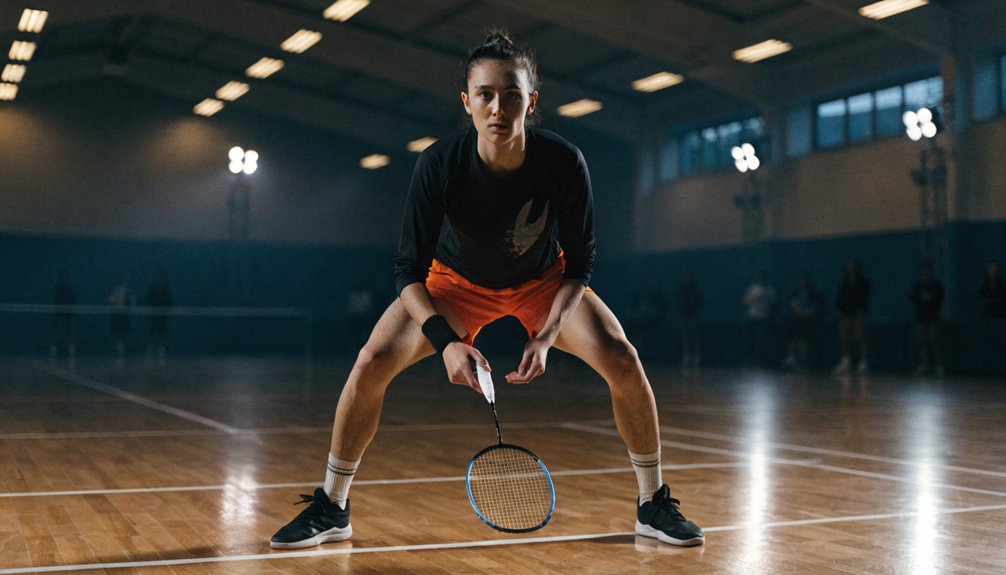
Foundation comes first: your footwork won’t hold up unless your stance, balance, and base are solid. Keep your feet just wider than shoulder width, knees flexed, hips loaded, and chest slightly forward so your center of mass stays controlled. Land softly on the balls of your feet, not your heels, and keep your non-racket arm active to steady rotation. Good lower-body positioning works best when paired with a relaxed forehand grip, which helps reduce wrist and arm strain during fast movement.
From there, train posture before speed. Use stability drills like single-leg holds, controlled lunges, and low squat shifts to build joint control through your ankles, knees, and hips. That control lets you push efficiently into lateral movement without losing alignment. Stay relaxed through your shoulders and jaw, but keep your core braced. When your base is consistent, every step becomes cleaner, quicker, and more recoverable under pressure.
Use the Split Step to React Faster
Once your stance and balance are stable, the split step turns that base into usable reaction speed. You shouldn’t jump high; make a short, sharp hop as your opponent begins the hitting motion, then land on the balls of your feet with knees flexed. This preload lets you push explosively in any direction without hesitation. Good timing techniques matter more than effort.
- Initiate your split step just before contact, not after.
- Keep your center of mass slightly forward to avoid flat-footed reactions.
- Land evenly, then drive off the outside leg toward the shuttle.
If your split step is late, you’ll chase rallies. If it’s early, you’ll lose stored energy. Practice syncing your landing with the opponent’s strike, and you’ll react faster while staying balanced and efficient under pressure consistently. During fast exchanges, secure grip adjustments also help you stay adaptable as you push off and prepare for the next shot.
Practice Footwork for Every Court Corner
Train each corner deliberately so your movement patterns hold up under real rally pressure. Use shadow badminton to rehearse front, rear, and midcourt entries with precise court angles. Focus on clean footwork patterns: chasse sideways, lunge forward, crossover back, then stop balanced. Strong footwork also helps under real rally pressure, when the mental side of badminton can affect timing and decision-making. Add lateral movement reps so your base-to-sideline shifts stay efficient during faster exchanges.
| Corner | Drill focus |
|---|---|
| Front court | Lunge timing, racket-leg placement |
| Rear court | Crossover depth, hip turn alignment |
Build movement drills into short sets: six repetitions per corner, then switch directions. Mix in agility exercises like cone shuffles and split-lunge sequences to sharpen positioning without a shuttle. Keep your torso stable, plant decisively, and push through the floor. If you practice every corner evenly, you’ll move with confidence and precision.
Recover Faster With Better Footwork
Even if you reach the shuttle well, the point often depends on how efficiently you recover to base afterward. Your recovery steps should be compact, balanced, and immediately connected to the shot you’ve just played. Push explosively off your outside leg, rotate your hips back toward center, and reestablish a neutral stance before your opponent contacts the shuttle.


- Land softly after lunges to preserve balance and reduce wasted motion.
- Use a chasse or crossover only when distance demands it.
- Keep your racket up so upper-body posture supports quick recovery.
You’ll move faster when your split step matches your opponent’s strike timing. That synchronization lets you react instead of resetting late. Build this pattern through shadow footwork and agility drills, focusing on rhythm, posture, and efficient shifts under pressure during rallies. Consistent practice with footwork drills can further enhance movement speed and agility across the court.
Fix Footwork Mistakes That Cost Speed
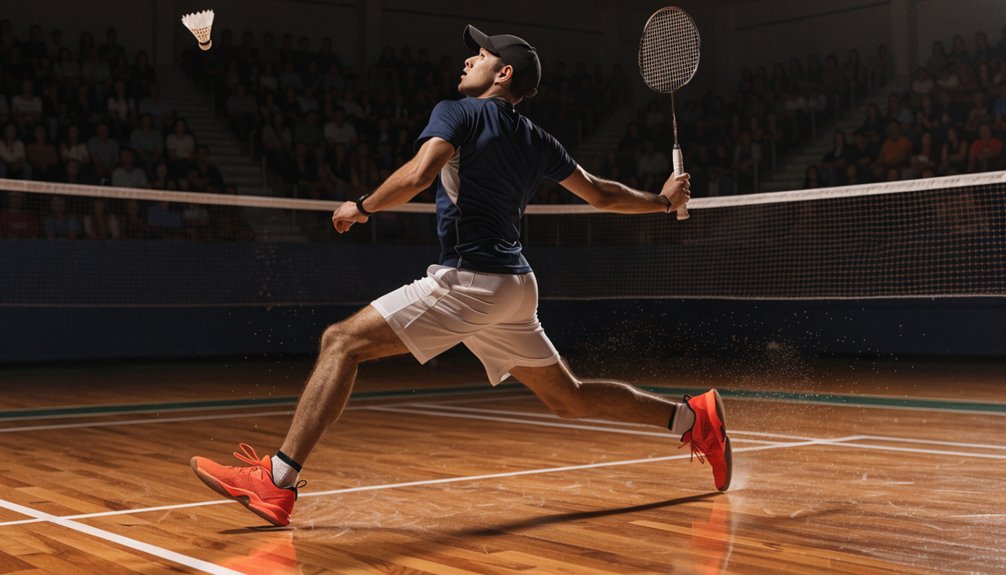
Because small inefficiencies add up quickly, the fastest way to improve court speed is to correct the footwork errors that break rhythm, lengthen recovery, and pull you out of balance. Watch for overstriding, crossing your feet unnecessarily, and landing flat-footed after each shot.
Keep your base low, push off the balls of your feet, and recover with compact steps instead of jogging upright. During lateral movement, lead with the outside leg so you don’t tangle your stance or lose transfer power. If your split step is late, you’ll react second instead of first, so time it with your opponent’s contact. Use agility drills, shadow footwork, and video review to identify wasted motion. Clean mechanics won’t just make you quicker—they’ll help you arrive earlier, hit balanced shots, and sustain pressure. Strong movement also helps you get set early for legal serves, including keeping the shuttlecock below the waist at the moment of contact.
Frequently Asked Questions
What Badminton Shoes Best Improve Speed and Traction on Court?
About 70% of badminton movement is lateral, so you’ll want lightweight court shoes with gum-rubber outsoles, low-profile midsoles, and reinforced uppers; these shoe features maximize speed and traction across different court surfaces while keeping you stable.
How Often Should I Practice Footwork Drills Each Week?
You should practice footwork drills 3–5 times weekly, balancing intensity and recovery. Focus on precise footwork patterns and progressive agility exercises. Keep sessions short, consistent, and match-specific, so you’ll build speed, efficiency, and court confidence.
Can Strength Training Help Me Move Faster During Badminton Rallies?
Like Hermes on court, you’ll move faster if you add strength training; it boosts force production and stability. Pair it with agility drills to sharpen acceleration, deceleration, and directional changes, so you’ll react quicker.
How Does Singles Footwork Differ From Doubles Court Movement?
Singles footwork covers more court, so you’ll prioritize efficient recovery, deeper lunges, and center-base control for singles strategy. In doubles positioning, you’ll move flatter, faster, and more laterally, emphasizing interceptions, rotation, and partner spacing.
What Warm-Up Exercises Prepare Legs for Faster Badminton Movement?
Start with dynamic stretches; studies show warm-ups can improve performance by 79%. You’ll prime your legs with leg swings, walking lunges, calf raises, then agility drills like ladder steps and split-step hops for faster court movement.