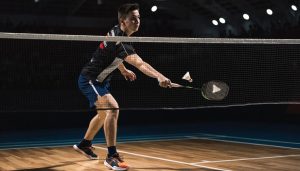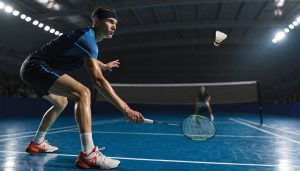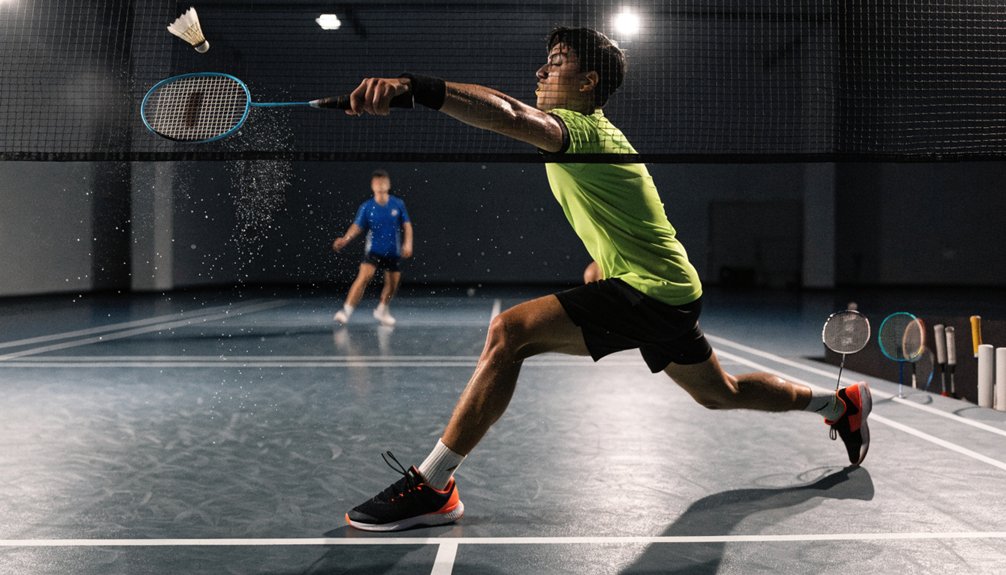
If you want to become harder to predict, you need deception that starts before contact and shot variation that stays believable. You can’t rely on flashy fakes alone; your posture, racket prep, and timing must sell the same picture for different outcomes. When you learn to disguise clears, drops, smashes, and net replies from similar setups, you force hesitation. That tactical edge begins with a few habits most players overlook.
Key Takeaways
- Use the same setup for clears, drops, and smashes, changing only at the last moment to keep opponents guessing.
- Keep posture compact and neutral, with late grip and forearm adjustments to disguise direction and shot type.
- Vary pace, trajectory, and landing zones instead of repeating patterns, forcing opponents to recalculate every rally.
- Match deceptive choices to your opponent’s balance, position, and recovery path to create hesitation and win weak replies.
- Practice deception in match-style drills, starting controlled, then adding late changes, scoring goals, and stronger opposition.
Learn the Basics of Badminton Deception
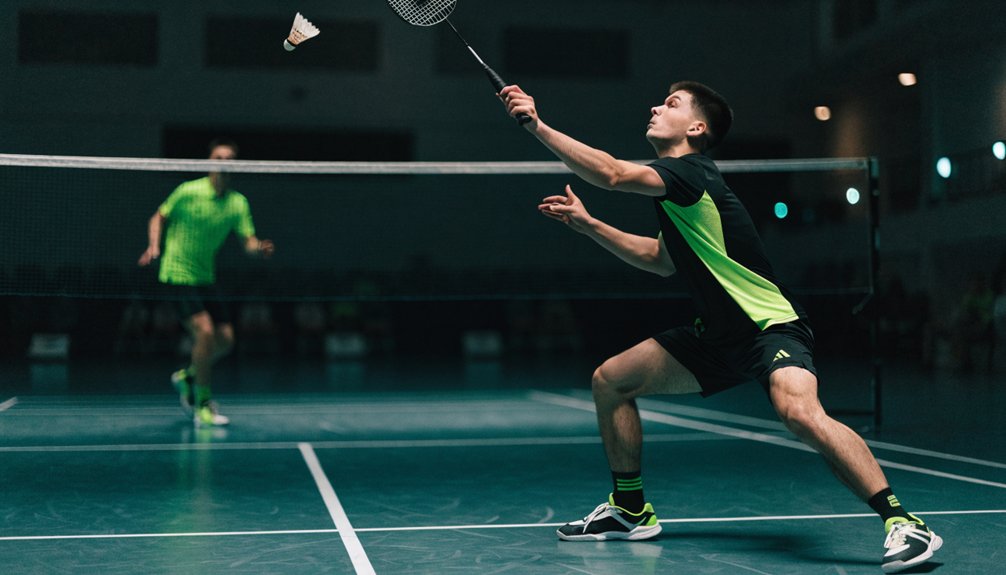
While power and speed matter, deception is what makes your shots harder to read. In badminton, deception begins with making multiple options look identical until the last possible moment. You should aim to keep your preparation consistent, so opponents can’t distinguish a clear, drop, or push early. That uncertainty disrupts timing and weakens court coverage.
To build this skill, focus on reading openings and matching your shot selection to your opponent’s position, balance, and recovery path. Effective deception isn’t random; it’s part of an offensive strategy that pressures space and forces hesitation. Use simple patterns first, such as showing a deep shot before playing short, then reverse the sequence. As you practice, you’ll create more disguised choices without sacrificing accuracy, rhythm, or tactical intent under pressure. Practicing with shadow badminton can help you rehearse identical preparation for different shots in a safe, repeatable way.
Control Your Body to Hide Shots
You’ll hide your intentions more effectively when your setup stays neutral until the last possible moment. Keep your preparation identical across multiple shots, then use delayed body rotation to commit only at contact. That sequence lets you control the rally strategically while forcing your opponent to read late and react under pressure. This kind of late commitment also creates mental pressure, a key factor that often determines outcomes in tight badminton matches.
Neutral Preparation
One of the most effective ways to improve deception is to make every shot begin from the same balanced, neutral setup. You should keep your stance compact, racket head prepared, and shoulders quiet, so opponents can’t read your intent early. Prioritize shot readiness by recovering with identical posture after clears, drops, and drives. Small grip adjustment changes must happen late and subtly, without disturbing your preparation.
| Element | Neutral cue | Advantage |
|---|---|---|
| Stance | Knees flexed | Faster push-off |
| Racket | Head up | Masks trajectory |
| Shoulders | Level | Hides commitment |
| Elbow | Relaxed forward | Supports options |
Train this until your setup looks repeatable under pressure. When your preparation stays constant, you buy time, preserve options, and force slower reactions from defenders, creating more openings consistently.
Delayed Body Rotation
Delay your torso turn until the last practical moment, and your swing becomes far harder to read. When you hold your shoulders square a fraction longer, you conceal whether you’re driving, dropping, or clearing. That brief delay forces opponents to hesitate, which gives your stroke more tactical value.
To execute it, keep your base balanced and load through your legs before rotating. Initiate preparation with the racket and non-racket arm, but let the hips and chest commit late. These timing techniques sharpen deception without sacrificing power. You’ll also improve movement efficiency, because you aren’t over-rotating early and recovering slowly after contact. Practice with shadow swings, then feed drills, focusing on identical setups for multiple shots. When your rotation stays disciplined, your options stay hidden until the shuttle has already left.


Use One Setup for Multiple Shots
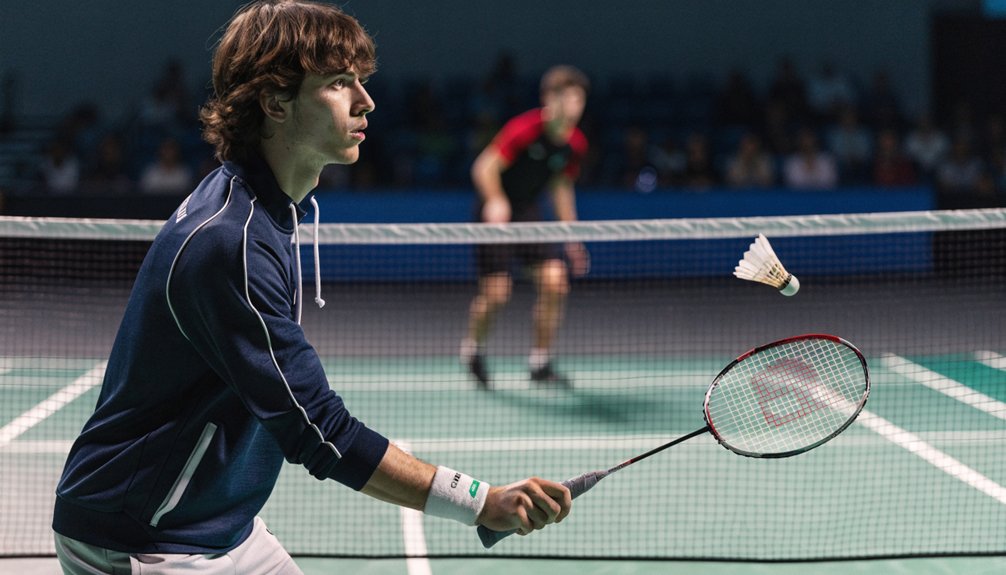
Because deception depends on what your opponent reads before contact, the most effective approach is to build several shots from the same preparation. You should make your stance, racket carriage, and early swing path look identical, then change the shuttle’s outcome late. That improves shot selection while keeping your intentions hidden.
- Keep your split step and approach tempo consistent so identical footwork patterns don’t reveal direction.
- Hold the racket head in one neutral channel, then alter grip pressure and forearm rotation at contact.
- Train three options from that setup: straight push, sliced drop, and fast block, all with matching body cues.
A racket with a Dual Optimum Frame can also support this approach by improving forehand and backhand shot effectiveness from the same visual setup.
When you repeat one believable setup, you force hesitation. Your opponent reacts later, covers less court efficiently, and gives you more space to control the rally under pressure.
Vary Your Rear-Court Badminton Shots
Three rear-court options should stay in constant rotation: the clear, the smash, and the drop. If you repeat only one pattern, opponents settle into comfortable timing and base positioning. Your goal is to make identical preparation produce different outcomes, forcing hesitation and weaker replies.
Build your rear court strategies around score, balance, and your opponent’s recovery speed. Use a high clear to push them deep and reset rallies when you’re under pressure. Choose a steep smash when you’ve created space and can contact early. Mix in a fast or sliced drop when their base shifts backward. Effective shot selection means reading their stance before you strike, not after. When you vary pace, height, and trajectory from the back court, you control rally rhythm and create openings without unnecessary risk. Using a racket with an isometric head can also support rear-court variation by giving you a larger sweet spot for more consistent clears, smashes, and drops.
Add Deception at the Net
At the net, you’ll create more uncertainty by delaying racket preparation until the last possible moment. That late setup lets you hold the shuttle longer and disguise your intent, forcing your opponent to hesitate. Once you’ve sold the soft net reply, a sharp hold-and-flick can exploit any forward lean and open the court.
Late Racket Preparation
Delay your racket preparation slightly at the net to hide your intentions and force your opponent to hold their base a fraction longer. By delaying the final setup, you make your racket angle harder to read and disrupt their shot timing cues.
- Keep your approach identical for net drops, pushes, and blocks until the shuttle is almost on the strings.
- Stay relaxed in your fingers and forearm so you can adjust the racket face late without telegraphing direction.
- Contact the shuttle in front, using a compact motion that preserves control while masking your choice.
You shouldn’t rush the preparation phase. Instead, arrive early, stay balanced, and let the shuttle come into your hitting window. This gives you more options while keeping your mechanics efficient and deceptive under pressure.
Hold And Flick
Sell the net reply by holding your racket face as if you’re playing a soft tumbler, then flicking at the last instant into the midcourt or past your opponent. Your objective is to freeze your opponent’s first step and force a late recovery. Effective hold techniques depend on staying relaxed through the forearm and delaying the finger squeeze until contact.
To execute cleanly, keep your preparation identical to a spinning net shot. From that same setup, use compact flick mechanics: a short thumb push, quick finger power, and minimal backswing. Aim across the body or into the tramlines when your opponent crowds the tape. Don’t overuse it; the value comes from surprise and timing. Practise alternating tumble, push, and flick from one visual cue until every option looks the same.
Mix Up Pace, Height, and Placement
Because predictable patterns make your deception easier to read, you should vary not just the disguise of the stroke but also the shuttle’s pace, trajectory, and landing zone. Effective shot selection depends on forcing constant recalculation, so don’t repeat the same tempo after a hold or fake. Change one variable while preserving similar preparation.
A lightweight racket can support this variation by improving swing speed and maneuverability during quick changes in pace and placement.
- Use faster pushes and flatter drives to rush recovery and reduce your opponent’s reaction window.
- Add higher clears or lifted blocks to disrupt rhythm and reset positioning under pressure.
- Redirect placement between forecourt tramlines, body hip, and deep backhand corner to test balance.
This variation sharpens your tactical awareness. You’ll create hesitation because opponents can’t commit early without risking the wrong movement. When your pace, height, and placement stay unpredictable, even simple strokes become strategically deceptive and harder to defend.
Practice Deception With Match Drills
Build your deception into match-style drills so the disguise holds up under pressure, movement, and decision-making. Start with controlled rallies where you must show one option early, then change the shuttle direction late. Alternate drops, clears, pushes, and holds from the same preparation to train identical cues.
Next, recreate specific match scenarios: receiving a lift under pressure, defending smashes, or attacking short returns. Add scoring targets so each deceptive choice has tactical purpose. You should also vary tempo and recovery patterns, because deception fails if your base returns are slow. Focus on strategic positioning before and after the shot, ensuring your body shape supports both the fake and the real outcome. As your consistency improves, increase speed, randomness, and opposition quality, so your deception becomes reliable in competition. Quick changes in basic grips during these drills help you maintain disguise while adapting to different shuttle positions.
Frequently Asked Questions
What Racket String Tension Helps With Deceptive Shot Control?
Like tuning a violin, you’ll usually want medium string tension, around 24-27 lbs, for reliable shot control and deceptive precision. It gives you touch without sacrificing forgiveness, so you can disguise intent and still execute crisply.
How Long Does It Take to Develop Reliable Deception?
You’ll usually need 3–12 months to develop reliable deception, depending on your practice duration, coaching, and consistency. You can accelerate progress by refining technique, sharpening mental focus, and strategically repeating match-realistic patterns under pressure.
Are Deceptive Shots Riskier for Beginners Than Advanced Players?
Yes, deceptive shots are riskier for you as a beginner than for advanced players, because deception techniques demand timing, disguise, and control. Your beginner challenges lessen when you practice simple variations first and prioritize consistency.
Can Footwork Limitations Reduce Effective Shot Variation?
Yes, your footwork limitations can reduce effective shot variation because you won’t reach ideal contact points consistently, hurting shot precision. With targeted footwork drills, you’ll recover faster, create better angles, and expand your reliable tactical options.
Which Professional Players Are Best to Study for Deception?
Like watching magicians with rackets, you’ll learn most from Tai Tzu-ying, Viktor Axelsen, Lin Dan, and Kento Momota; their deceptive techniques reward close player analysis, helping you anticipate timing disguises, racket preparation cues, and tactical patterns.