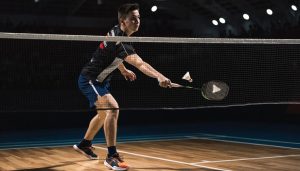
When pressure hits in badminton, you don’t need more flair—you need more control. Your best edge comes from calming your breathing, choosing safer shots, and sticking to simple patterns that steady the rally. In doubles, that control also depends on how clearly you and your partner respond together. The key is knowing what to simplify, what to trust, and what to reset before the next shuttle leaves the strings.
Key Takeaways
- Use calm breathing, visualization, and a consistent pre-match routine to settle nerves and start focused.
- Under pressure, choose higher-percentage shots like deep clears, solid lifts, and controlled drives instead of risky winners.
- Regain rally control by playing high, deep shots, resetting your base, and targeting the opponent’s backhand.
- In doubles, communicate early with simple calls like “mine” and “yours” to coordinate movement and coverage.
- After mistakes, exhale, relax your grip, use a reset cue, and focus only on the next shuttle.
Calm Your Nerves Before the First Rally

Before the first rally, your goal isn’t to eliminate nerves—it’s to bring them under control so your movement, timing, and shot selection stay sharp. Start with breathing techniques: inhale for four counts, exhale for six, and repeat until your shoulders drop and your grip relaxes. Then use visualization exercises to rehearse clean footwork, early preparation, and balanced recovery to base.
Build a short pre-match routine you can trust. Scan the hall, note drift, lighting, and service sightlines, then narrow your focus to the shuttle and your first few movements. Keep your self-talk specific: “See early, split on time, stay loose.” Nerves often spike when attention scatters, so give your mind one cue at a time. You’re not chasing calm; you’re creating control under stress. Since mind games can disrupt focus and trigger mistakes under pressure, preparing to ignore distractions before the match can help you stay composed from the opening point.
Simplify Your Shots Under Pressure
When pressure rises, simplify your decision-making by choosing shots that give you margin, time, and balance. Under stress, your timing tightens and fine accuracy drops, so avoid low-percentage winners and sharp lines. Favor higher clears, solid lifts, controlled drives, and net shots you can contact early. Smart shot selection reduces unforced errors while keeping you physically organized for the next movement.
You don’t need spectacular strokes; you need repeatable mechanics. Keep your swing compact, racket preparation early, and recovery steps immediate after contact. Aim bigger targets, use safer trajectories, and trust your practiced patterns. A lightweight racket with enhanced maneuverability can also help you react faster and place simpler shots more accurately in pressured rallies. This preserves mental focus because you’re removing unnecessary variables from each rally. By simplifying execution, you’ll stay composed, strike cleaner, and give yourself more chances to outlast pressure and hold quality deep into matches.
Use Simple Tactics to Regain Control
When you need to regain control, reset the point with high clears that give you time to recover your base and reestablish positioning. You can then target your opponent’s backhand to limit their shot quality and force shorter, more predictable replies. If the rally feels rushed, slow the tempo with higher, deeper shots so you can rebuild structure and make better tactical choices. A racket with a Dual Optimum system can also improve stability and maneuverability, helping you stay composed when points speed up.
Reset With High Clears
One of the smartest ways to regain control in a rally is to hit a high, deep clear that gives you time to recover your base and reset the point. When pressure builds, don’t force a winner. Instead, use high clear strategies to lift the shuttle safely to the rear court, buying space, rhythm, and a mental reset before the next exchange.
- Aim above your opponent’s contact point, sending the shuttle deep with margin and height.
- Recover immediately after striking, using your split step to rebuild balanced court coverage.
- Choose clears when you’re rushed, off balance, or late, not only when defending.
A well-executed clear slows the rally without surrendering initiative. You stay composed, rebuild positioning, and invite a more predictable reply that lets you re-enter the rally on your terms.


Target the Backhand
After you’ve bought time with a high clear, the next smart move is to direct the rally toward your opponent’s backhand side. Under pressure, you don’t need fancy winners; you need reliable placement that narrows their options. Aim repeatedly at deep rear-court target zones, especially the sideline corner and hip area, where awkward footwork disrupts timing and weakens replies.
As you recognize limited backhand techniques, keep probing that wing with clears, fast drops, or flat pushes. You’re forcing extra movement, reducing their attacking angles, and increasing the chance of a short return. Stay balanced after each shot so you’re ready to pounce on anything loose. If they start cheating across early, hold your shape and exploit the opening on the next ball. Simple direction changes can quickly restore control in tough rallies.
Slow the Rally
Reset the pace by choosing shots that rise high, land deep, and give you a full recovery window. When pressure spikes, you don’t need winners; you need time. High clears and controlled lifts interrupt your opponent’s attacking tempo, restore your base, and help you reestablish match rhythm. Pair every reset shot with steady breath control so your movement stays efficient and your decision-making sharp.
- Hit deep clears to push your opponent behind the rear court and reduce their angles.
- Add a softer block or lift when rushed, forcing one more neutral exchange.
- Recover to base early, split-step on time, and prepare for the simplest next shot.
Reset Quickly After Every Lost Rally
Even strong players drop points, but the key is how fast you can clear the last rally from your mind and lock back into the next one. Don’t replay the error. Use a brief mental reset: exhale, relax your grip, and set one clear cue, like early preparation or higher lift depth. That simple sequence interrupts frustration and rebuilds emotional resilience under pressure.
Your body language matters too. Stand tall, return to base with purpose, and keep your footwork rhythm steady before the next serve. In badminton, every rally can change the score because of rally point scoring, which makes quick mental resets even more valuable under pressure. These small actions signal control to your nervous system and sharpen decision-making. Focus on the next shuttle, not the scoreboard. If you lose two or three rallies in a row, simplify your patterns, choose higher-margin shots, and trust disciplined execution over rushed winners every time.
Handle Doubles Pressure With Your Partner
When doubles pressure builds, you need clear, immediate court communication so both of you can read the next ball and adjust positioning without hesitation. Call shots early, confirm coverage, and keep your signals simple so your movement stays synchronized under speed. Choosing a racket with the right weight and balance can also help both players react faster and stay stable during rapid exchanges. Just as important, trust each other’s decisions—you’ll defend and counterattack more effectively when you commit as a unit.
Clear Court Communication
Two simple calls—“mine” and “yours”—can cut hesitation and keep your doubles pair stable under pressure. In fast rallies, signal clarity matters as much as footwork, because one vague moment can open the court. Use verbal cues early, loudly, and consistently so you both read the shuttle’s path without second-guessing. Communication should direct movement, not describe panic.
- Call before the shuttle drops, especially on midcourt balls where overlap happens most.
- Keep words short and repeatable, so your reactions stay automatic in defensive exchanges.
- Add quick hand signals between points to confirm serve receive patterns and rotation responsibilities.
You’ll play cleaner when every message has one purpose: assign the next ball or confirm positioning. That precision reduces collisions, sharpens coverage, and helps you reset faster after stressful points.
Trust Each Other
Because doubles pressure can make both players overreach, trust lets you hold your shape and play the role the rally needs. When you believe your partner will cover their lane, you won’t lunge across the middle or abandon base position. That discipline preserves rotation, improves shot quality, and reduces cheap errors.
Build team synergy by committing to simple patterns: front player hunts interceptions, rear player controls pace and angles, and both recover instantly after each stroke. Under stress, trust the first decision unless your partner clearly calls a switch. Mutual support matters after mistakes too; a calm nod or quick cue keeps hesitation from spreading. If you stay connected, you’ll defend with balance, attack with purpose, and make pressure feel shared instead of isolating during tight, decisive exchanges.
Practice Pressure Situations Before Match Day
Although practice often feels controlled, you’ll perform better under match pressure if you regularly train the exact moments that swing games—tight scores, second serves, long rallies, and recovery after mistakes. Use pressure drills and game simulations to rehearse decision-making when your heart rate rises. You’ll sharpen situational awareness, strengthen mental resilience, and turn stress management into a usable skill, not just an idea. Coaching can also improve Sweet Spot hitting consistency, helping you stay accurate when nerves increase and timing feels rushed.
- Start rallies at 18-all, then apply focus techniques between points.
- Add visualization exercises before serving or receiving to steady timing.
- Track small wins for confidence building after errors or momentum shifts.
When you practice these scenarios deliberately, pressure stops feeling unfamiliar. You’ll trust your patterns, recover faster, and execute with cleaner footwork, smarter shot selection, and better composure when the match gets tight and points matter most.
Frequently Asked Questions
How Should I Adjust My Racket String Tension for High-Pressure Matches?
Lower your string tension slightly for high-pressure matches; you’ll gain a larger sweet spot, easier power, and better control under stress. During match preparation, test small adjustments, because you don’t want unfamiliar feedback affecting consistency.
What Should I Eat Before a Tense Badminton Tournament Match?
You should eat easily digested carbs, moderate protein, and low fat two to three hours before play; choose pre match snacks like bananas or toast closer in. Follow hydration tips: sip water steadily, avoid heavy meals.
How Can I Improve Line Call Judgment Under Competitive Pressure?
Improve line call judgment by training your eyes early, tracking shuttle trajectory, and using consistent line call strategies. You’ll sharpen mental clarity through pressure drills, breathing control, and committing decisively instead of second-guessing close calls.
Does Crowd Noise Affect Badminton Performance, and How Can I Adapt?
Yes, crowd impact can disrupt your timing, decision-making, and mental focus. You’ll adapt by practicing with simulated noise, using between-rally breathing cues, simplifying tactical choices, and treating sound as background data, not a threat.
What Warm-Up Routine Best Prepares Me for Pressure-Filled Badminton Matches?
Like sharpening a blade, you’ll best prepare with 5–10 minutes of dynamic stretching, footwork drills, shadow swings, and controlled breathing; finish with mental visualization, so you’re physically primed, tactically focused, and emotionally steadier under pressure.