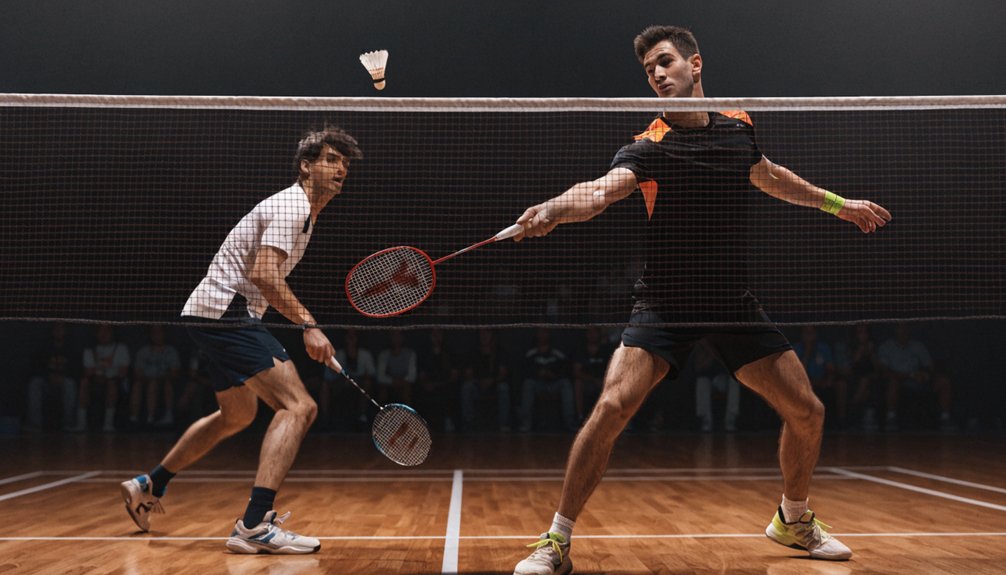
If your opponent starts rushing flat exchanges, a high, deep clear can reset the rally and pull them out of position. You control pace best when you change it on purpose, not just react. Mix fast drives with softer drops, and pair tight net shots with lifts to break rhythm. Stay composed in your setup so you see the next option sooner. The difference often comes down to a few small choices.
Key Takeaways
- Change pace when the shuttle sits high or your opponent recovers late, then accelerate with early interceptions to seize control.
- Vary shot height, speed, angle, and direction to stop opponents predicting and settling into a comfortable rhythm.
- Use deep, high clears to push opponents back and flat drives to rush their reactions and create weak returns.
- Mix tight net shots with disguised lifts or slower drops to disrupt timing and force awkward movement patterns.
- Recover calmly to base and avoid constant fast exchanges, accelerating only when it gives you clear positional advantage.
Know When to Change Rally Pace
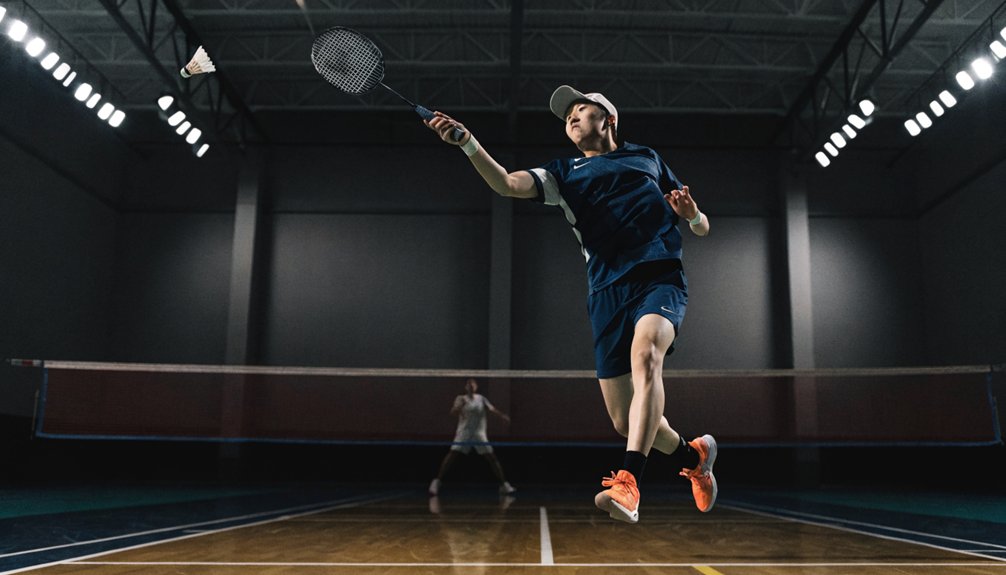
When you know when to change rally pace, you stop reacting and start dictating the point. Your goal isn’t random variation; it’s timely disruption. Build rally awareness by noticing shuttle height, your balance, and your opponent’s recovery speed after each shot.
Use opponent analysis to spot hesitation, late footwork, or a weak shift into the forecourt or backhand side. If they’re rushed, inject speed with an early interception or flatter reply. If they’re set and reading you well, take a fraction off, add shape, and make them generate the next pace. A racket with an isometric sweet spot can support cleaner timing on these pace changes by giving you more margin for accurate contact under pressure. Change tempo most effectively after you’ve created positional advantage, not while you’re scrambling. That decision keeps pressure on them and protects your court coverage. The best pace changes feel small, but they force uncomfortable timing errors.
Use Badminton Clears to Slow the Rally
One of the simplest ways to take heat out of a rally is with a well-placed clear. When you lift the shuttle deep to your opponent’s rear court, you buy yourself time to recover, reset your base, and disrupt their attacking rhythm. Good clear techniques matter here: contact the shuttle early, use relaxed acceleration, and aim for height and length rather than sheer force.
You should also focus on strategic placement. Send your clears high and deep toward the back tramlines or into an opponent’s weaker rear-court corner. That extra distance forces them to move back, hit later, and give you a slower reply. If you’re under pressure, a reliable defensive clear can turn a rushed exchange into a neutral rally, letting you regain control without taking unnecessary risks or losing court balance. A racket with a Dual Optimum Frame can also help by improving forehand and backhand shot effectiveness during controlled, high deep clears.
Use Badminton Drives to Speed Up Play
If you want to raise the tempo, drives are your best tool. Hit flat, fast shots that travel just above net height, forcing your opponent to react quickly and hit under pressure. Good drive technique starts with a compact swing, firm grip changes, and early contact in front of your body. Keep your racket up so you can redirect the shuttle without losing time.
Use drives when you want to shorten your opponent’s preparation and deny them comfortable attacking options. Aim through their body or into open sidelines to create weak replies. This offensive strategy works best when you stay balanced and recover immediately after each shot. Don’t overhit; focus on pace, direction, and consistency. When you sustain fast exchanges, you seize initiative and make the rally unfold on your terms. A racket with an isometric head can also help by expanding the sweet spot for more consistent flat, fast contact.
Mix Badminton Net Shots and Lifts
You can disrupt your opponent’s timing by varying your net shot tempo instead of feeding the same pace every rally. Alternate tight net shots with well-placed lifts so they can’t settle into a comfortable rhythm. When you mix these options with intent, you force rhythm changes and take control of the point. This kind of variation is powerful because mind games and rhythm disruption often cause opponents to lose focus and make mistakes under pressure.


Vary Net Shot Tempo
Because a steady rhythm makes your next shot easy to read, vary your net shot tempo by alternating tight tumbling replies with quicker pushes and occasional lifts. That contrast disrupts your opponent’s timing, forcing hesitation instead of automatic movement. Use compact preparation so each option looks similar until the last moment.
Focus on clean racket control and soft fingers. With strong net shot techniques, you can slow the exchange using a spinning reply, then suddenly speed it up with a flatter touch that takes time away. Your tempo strategies should depend on your opponent’s balance: if they’re leaning forward, quicken the pace; if they’re rushing, hold the shuttle slightly longer to make them stop. By changing speed without changing intent, you control the rally’s rhythm and create weaker returns under pressure consistently.
Alternate Tight Nets Lifts
Alternate tight net shots with occasional lifts to keep your opponent from settling at the front court. If you only play tight netting, they’ll creep forward, hunt interceptions, and pressure your reply. Slip in a controlled lift when they lean in too early, especially after you’ve shown soft touch several times.
Your lifts should look prepared from the same setup as your net shot. That disguise delays their first step and buys you recovery time. Use high, deep lift techniques to push them rearward, preferably toward the backhand corner, then be ready for the weaker return. Don’t lift lazily through the middle unless you’re under pressure. The goal isn’t simply to escape; it’s to move them off the tape, reopen space at the net, and make your next forecourt shot more effective.
Force Rhythm Changes
When your opponent starts moving on autopilot, changing the rhythm with a mix of net shots and lifts can break their timing fast. Use tempo adjustments to keep them guessing: play one tight net shot, then send the next shuttle high and deep. That contrast creates rhythm shifts, pulls them forward and back, and opens weak replies.
| Shot | Purpose |
|---|---|
| Tight net | Force a rushed approach |
| High lift | Push them deep |
| Spinning net | Freeze their first step |
| Fast lift | Surprise their recovery |
| Repeat selectively | Prevent pattern reading |
Don’t alternate blindly. Watch their base position and recovery speed. If they lean forward, lift. If they retreat early, feather the shuttle short. You’re not just changing placement—you’re dictating timing and owning rally control.
Smash When You Create an Opening
Attack only after you’ve created real space. A smash works best when your previous shot has pulled your opponent off balance, deep, or wide. Use timing techniques to delay, speed up, or disguise your setup, then watch for opening opportunities. If they’re late recovering or their base is exposed, that’s your cue to hit down with purpose. You’re not smashing to end every rally instantly; you’re using it to seize tempo and force a weak reply.
Choose the right shuttle, not just the hardest swing. Smash from a balanced position so you can recover for the next shot. Aim where their movement is longest or where their racket preparation is weakest. A steep, controlled smash after patient construction lets you dictate pace without giving away initiative or court control. Rackets with an Isometric head shape can also help by offering a larger sweet spot for more consistent attacking contact.
Avoid Common Badminton Pace Mistakes
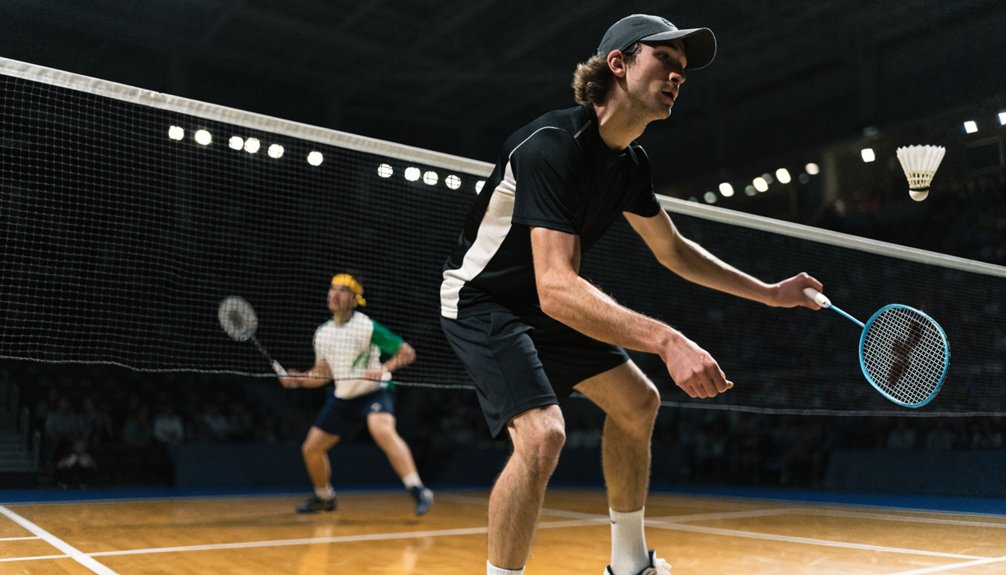
You can’t control the pace if you rush every rally into fast exchanges. If you overplay speed, you give away rhythm and make your attack predictable. Use better shot variation to disrupt timing, force weak replies, and keep the match on your terms. A lightweight racket with enhanced maneuverability can help you vary shots more easily and respond faster during quick rallies.
Overusing Fast Exchanges
Although fast rallies can feel like the safest way to stay on top of a point, forcing speed on every shot often hands control back to your opponent. If you rush every exchange, you shorten your own decision time and rely too heavily on fast reflexes instead of tactical awareness. That usually leads to flat positioning, late recovery, and predictable pressure.
You should recognize when pace is helping you and when it’s trapping you. If your opponent stays balanced, keeps retrieving, or starts countering early, stop feeding their rhythm. Use calmer preparation between shots, recover your base fully, and choose moments to accelerate rather than living at maximum tempo. Controlled pacing lets you protect your balance, see the court better, and make your opponent hit under less comfortable timing and with reduced confidence.
Poor Shot Variation
When your shot choices stay too similar, your opponent doesn’t have to manage pace—they just settle into it. If you repeat clears, drives, or straight drops without contrast, you make the rally predictable. Predictability lets them move early, strike comfortably, and keep momentum on their terms.
To regain rhythm control, vary height, speed, angle, and direction with purpose. Mix a tighter net shot after a deep clear. Follow a fast push with a slower drop. Change shot placement so they can’t camp in one base position. Use crosscourt replies sparingly to stretch recovery patterns, then return the shuttle straight to rush their adjustment. You don’t need flashy winners; you need better sequencing. Smart variation disrupts timing, forces hesitation, and gives you more chances to dictate the rally. Control grows through contrast, not repetition.
Frequently Asked Questions
What Racket String Tension Helps With Rally Pace Control?
Use medium string tension, around 22–25 lbs, if you want better rally pace control. You’ll get a balanced racket feel, easier touch shots, and enough responsiveness to vary tempo without sacrificing comfort or consistency overall.
How Does Footwork Training Improve Changing Rally Tempo?
Footwork training is a game-changer: footwork drills sharpen your positioning, so you can speed up or slow down exchanges instantly. By refining movement patterns, you’ll recover faster, disguise intentions better, and control tempo with greater consistency.
Does Shuttlecock Speed Affect Rally Pace Strategies?
Yes, shuttlecock speed directly affects your rally strategies; faster shuttlecock dynamics force quicker reactions and shorter setups, while slower speeds let you vary tempo, create deception, and control exchanges more deliberately during points and shifts.
How Should Doubles Players Coordinate Pace Changes Together?
You should use subtle communication signals and rhythm synchronization, so you’re gently steering tempo together. Call switches early, mirror shot selection, and confirm formations between points. If one accelerates, the other supports, keeping pressure coordinated.
Can Weather or Draft Conditions Alter Rally Tempo Control?
Yes, you can expect weather or draft conditions to alter rally tempo control. You should account for wind resistance and temperature effects, adjusting shot height, pace, and positioning so you don’t lose consistency or tactical pressure.